
Start with the study.
Nobody sets out to buy a port. They set out to dose an animal for twenty-eight days without losing the line. Tell us the study and we will tell you what it takes.
Below are the study types we build for most often, what each demands of the hardware, and where the failures come from. If yours is not here, we should talk.
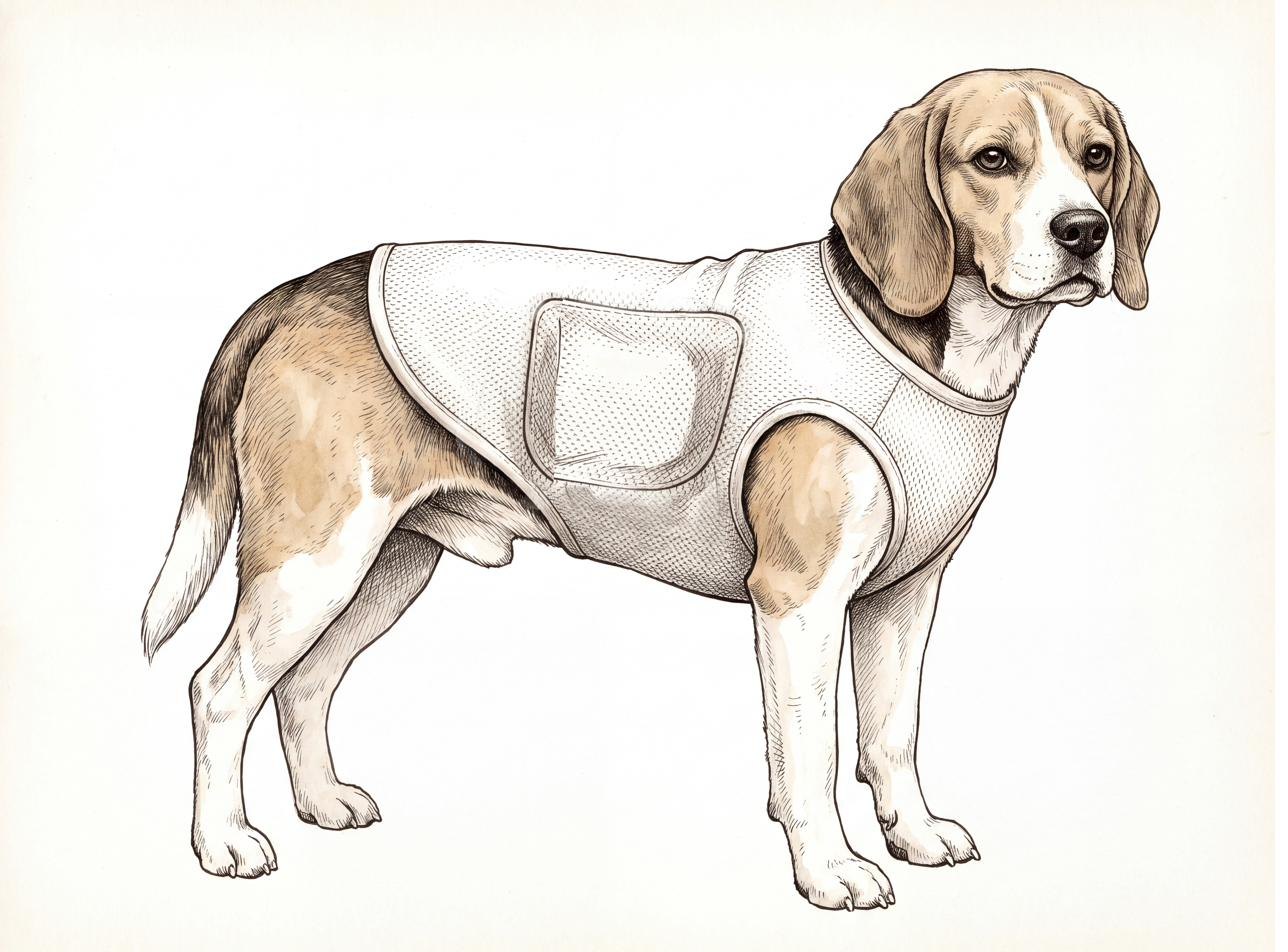
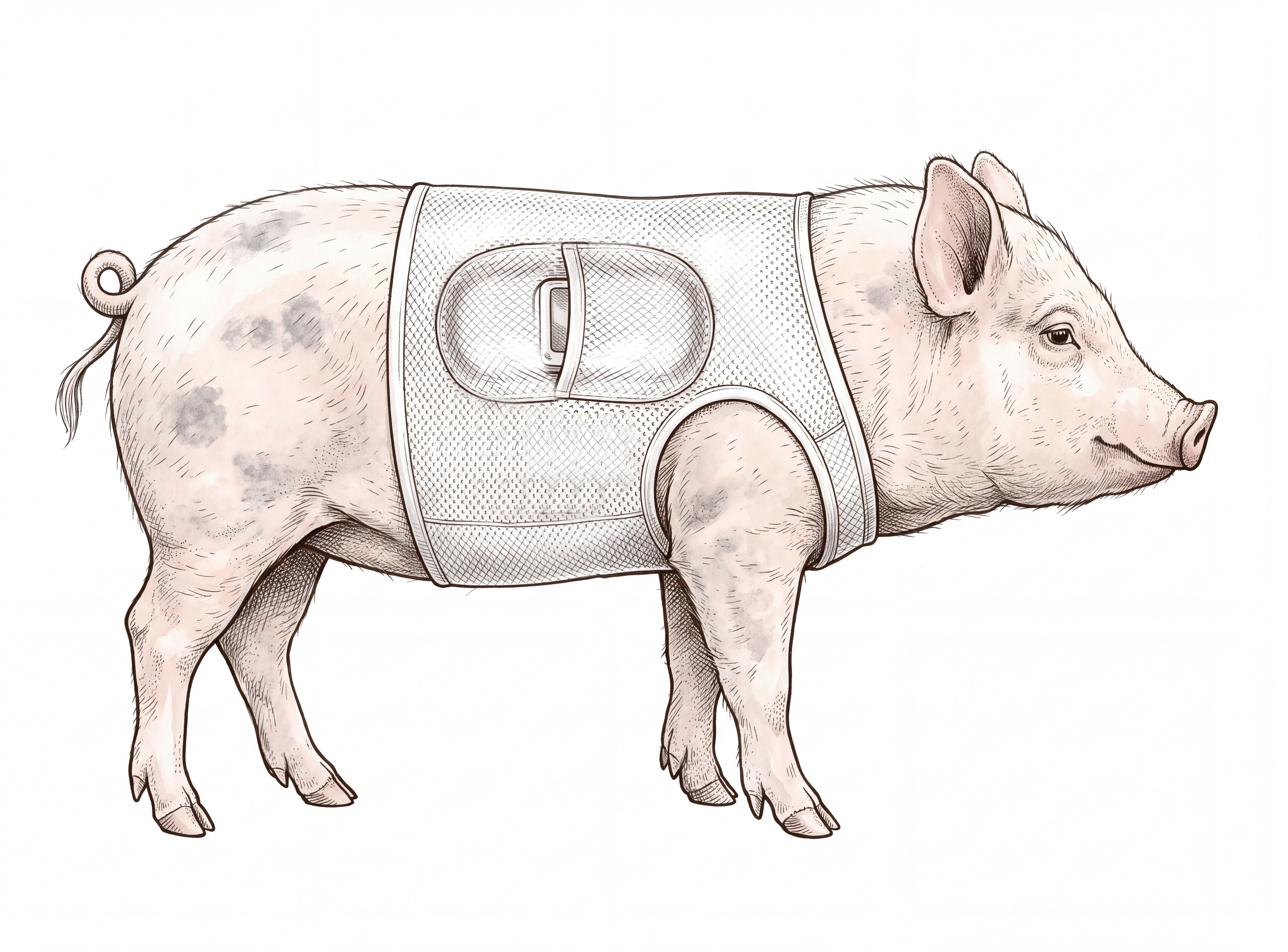
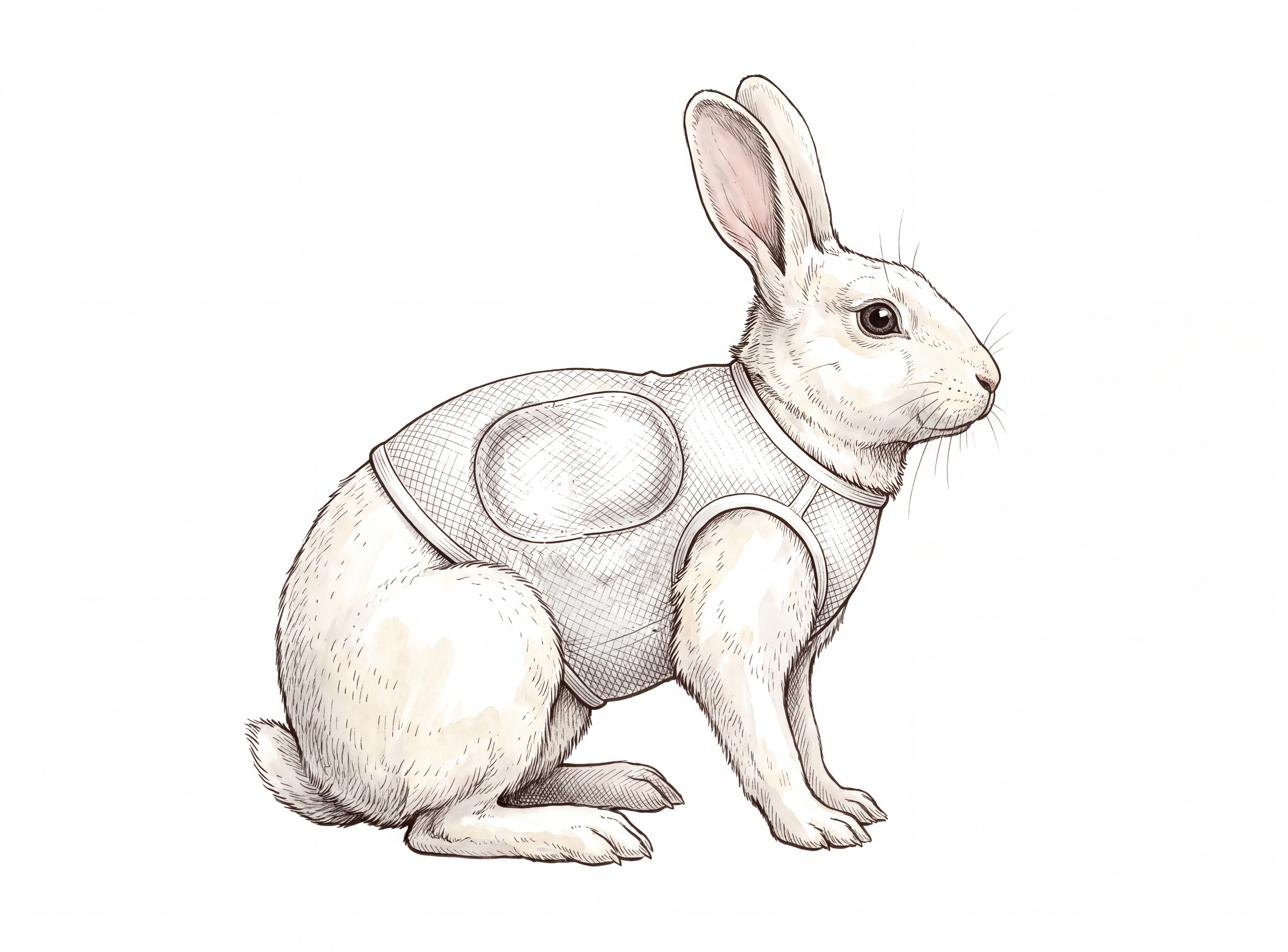
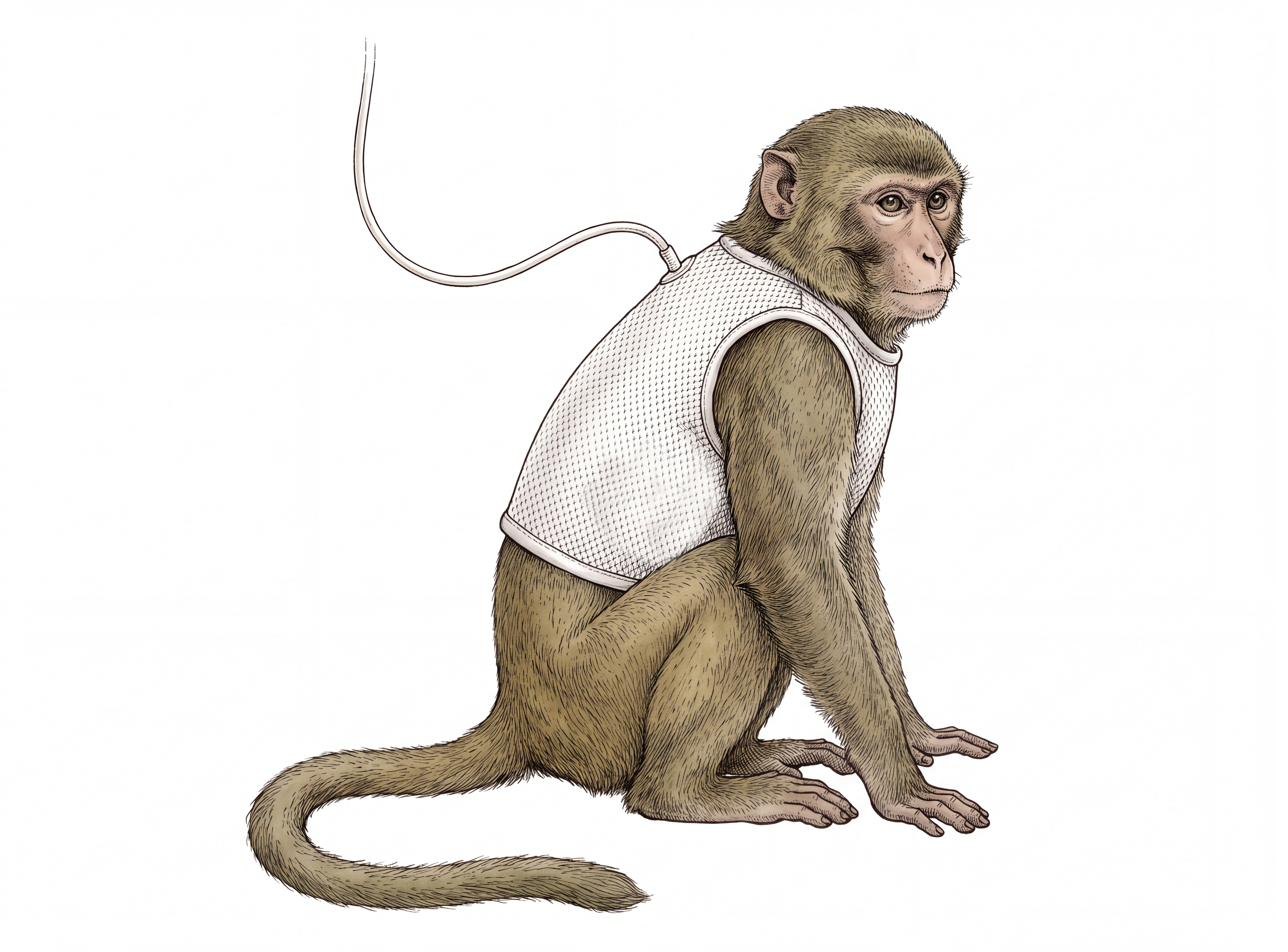
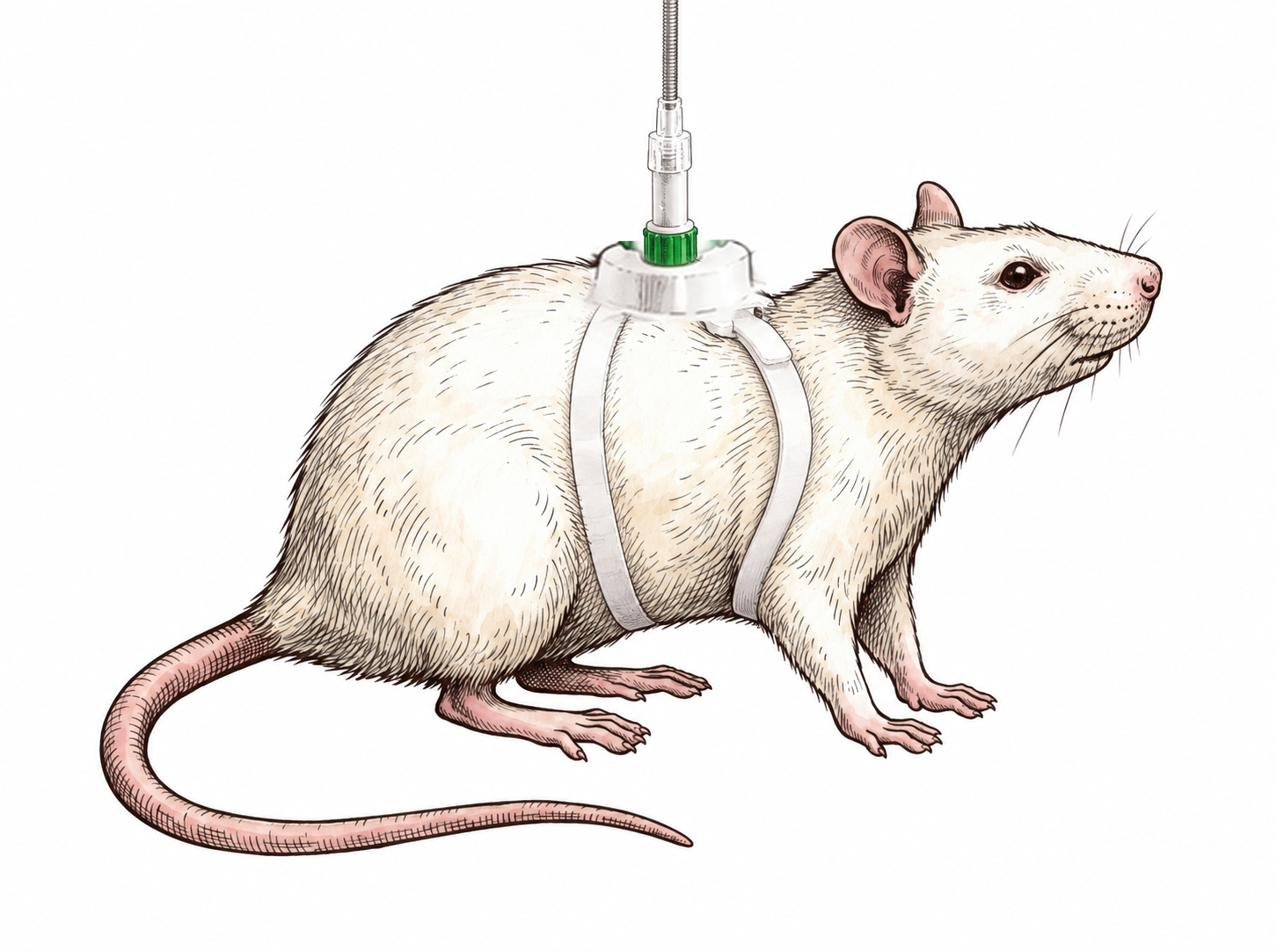
Continuous and repeat-dose infusion
Mouse · Rat · Rabbit · Canine · Swine · NHPDosing that runs for days or weeks, tethered in the cage or ambulatory on the animal.
What it demands
A catheter that stays patent for the whole duration, a port or exit that survives repeat access, and a pump and jacket that do not fight each other at the exit site.
Where it fails
Almost never inside a component. It fails at the joins: dead space nobody counted, a set that backs out of the septum, a jacket pocket that lets the line kink.
What we supply
The implanted port and catheter, the infusion pump, and the Lomir jacket or tether selected to work with both. One validated assembly, one part list.
Serial blood sampling and PK
Mouse · Rat · Canine · Swine · NHPRepeated draws from the same animal, often alongside dosing, often automated.
What it demands
Low dead space, so the discard volume does not eat the animal's blood budget. A septum that tolerates hundreds of accesses without coring. Tip geometry that aspirates without collapsing against the vessel wall.
Where it fails
Withdrawal occlusion. A catheter that infuses perfectly will refuse to draw if the tip is sitting wrong or the lock is not holding. This is the single most common complaint in sampling work.
What we supply
Dual-lumen and dual-port configurations for dose-and-sample on the same animal, tapered catheters where withdrawal resistance matters, and port volumes down to 15 microliters.
CNS, intrathecal and targeted delivery
Rat · Canine · Swine · NHPIntrathecal, intracerebroventricular, intraperitoneal, duodenal and other non-vascular routes.
What it demands
Catheter stiffness and tip profile matched to the space being entered, an introducer that places it without trauma, and fixation that holds through weeks of animal movement.
Where it fails
Migration and fibrosis. The device is placed correctly and then moves, or the body walls it off. Both are addressed at the placement and fixation stage, not afterwards.
What we supply
The IntraPort, matched intrathecal catheters and introducer, and custom routes built to protocol. CNS work is where custom is the norm rather than the exception.
Toxicology and safety pharmacology
Rat · Canine · Swine · NHPGLP work where a lost animal is a lost arm, and the study cannot simply be repeated.
What it demands
Consistency above all. Every animal in the cohort on identical hardware, reorderable at the same specification for the next study, with no silent substitutions between lots.
Where it fails
Vehicle and device incompatibility nobody tested, and hardware that changed between the pilot and the pivotal study. Run compatibility before the study starts; that one is the sponsor's to establish.
What we supply
Anything built to your protocol gets its own catalog number and stays reorderable for the life of the program. The hardware in year three is the hardware from year one.
Telemetry and cardiovascular work
Canine · Swine · NHPAccess that has to coexist with implanted telemetry and an animal that is socially housed and moving.
What it demands
Low-profile hardware that does not interfere with a telemetry implant, and an exit or port the animal cannot reach, worry at, or strip.
Where it fails
The animal. Profile and placement decide whether the line survives the first week in a social group, and that is a surgical and hardware decision made before the study starts.
What we supply
Ultra-low-profile titanium ports, the MagnaPort magnetic button for rodent work, and jackets selected for the species and the housing rather than whatever is in stock.
One supplier across the whole program
Most programs run more than one species. A rodent pilot, then a large animal confirmatory study, then a tox package.
We build implantable systems for every species on this list, in-house. 1 French to 9 French, vascular and non-vascular. A group running rodent and large animal work can standardize on one supplier, one access technique, and one surgical approach their staff learn once, with the same part numbers reorderable for the next study.
| Species | Implantable ports | Catheters | Infusion systems | Start here |
|---|---|---|---|---|
| Mouse | Yes | Yes | Yes | Mouse |
| Rat | Yes | Yes | Yes | Rat |
| Rabbit | Yes | Yes | Yes | Rabbit |
| Canine | Yes | Yes | Yes | Canine |
| Swine | Yes | Yes | Yes | Swine |
| Non-human primate | Yes | Yes | Yes | Primate |
| Other species | Built to order | Built to order | Built to order | Ask |
We also build for species outside this table, common and exotic alike. An animal that is not listed is a normal conversation here rather than an exception.
Not sure which of these you are running
Most real studies are two of the above at once. Dose and sample from the same animal. Infuse continuously while telemetry runs. That is the normal case, not the complicated one, and what the whole-system approach exists for.